Curiosity,
built.
A design & development studio turning good questions into apps, tools, and things that work.
Explore the work
A few things
we’ve put into the world.
Apps, performances, and algorithmic forms.
Good ideas don’t have to stay in one lane.
FOOM
A family of fitness apps built around showing up.
Saylight
Private, offline dictation. Speak, and get back to your thought.
Harness
Small, speculative interfaces for working with AI.
Algorithmic Research Group
Benchmarks, datasets, and open infrastructure for AI safety research.
Experiments & collaborations
The stranger side.
Motion becomes music. Data becomes sculpture. Made with artists and researchers, including Alex Murray-Leslie of Chicks on Speed.
 2015
2015
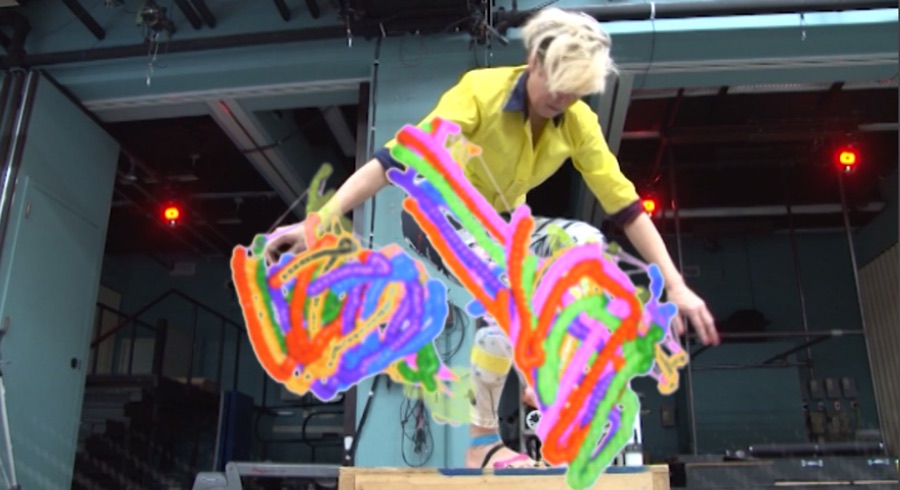
Footwerk
With Alex Murray-Leslie of Chicks on Speed, recorded movement becomes visual trails and synthesized sound. Exhibited at the Venice Biennale and ArtScience Museum.
With Alex Murray-Leslie (Chicks on Speed), Penn State Biomechanics Lab
Shown at 56th Venice Biennale · ArtScience Museum, Singapore
 2018
2018
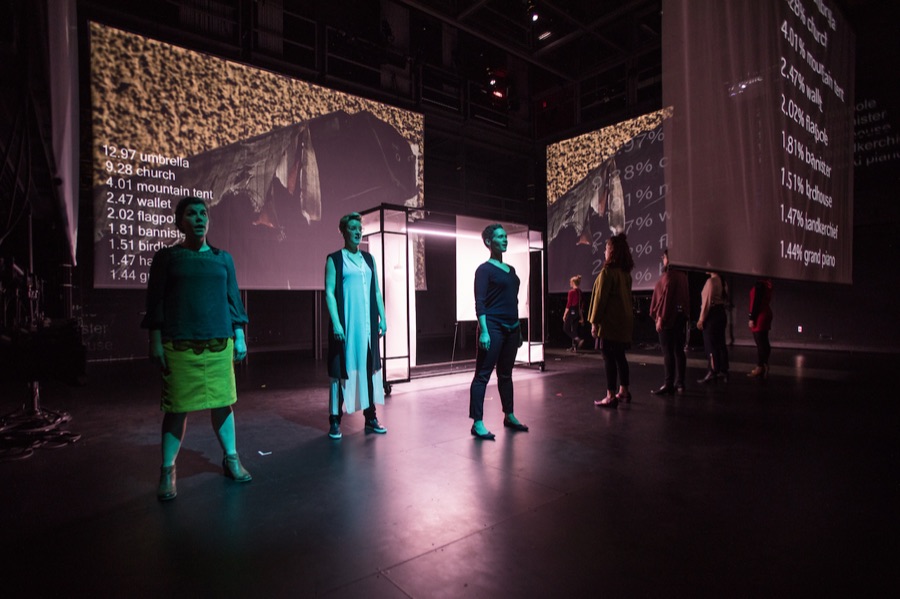
THE_OPER&
Machine learning becomes a performer in an algorithmic opera at Duke. My contribution made image classification probabilities visible as a shifting field of interpretations.
With Bill Seaman, John Supko, Jim Findlay, Lorelei Ensemble, Keith Scretch
 2014
2014
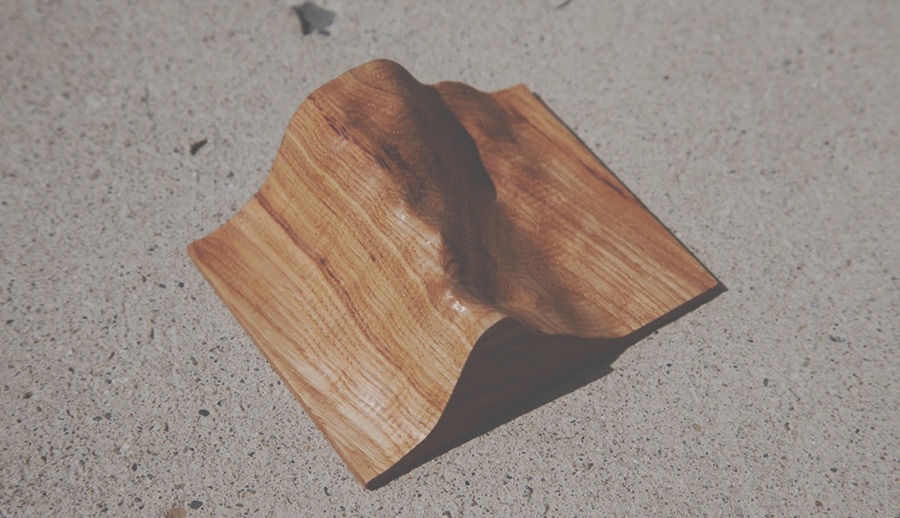
Biobehavioral Landscapes
Emotional life, given terrain. Data from 150 adults becomes a series of statistical landscapes, modeled in Grasshopper and milled from oak.
With Nilam Ram, Penn State Department of Human Development
02 / The practice
Part design studio.
Part engineering lab.
Always making.
ARG Studio is a place to build useful software and follow interesting questions. Some become everyday apps. Others become sculptures, performances, or research. The medium changes; the curiosity stays.
Meet the studioDesign
Clear interfaces. Considered interactions.
Develop
Apps, tools, and the systems behind them.
Explore
AI experiments. Questions worth testing.
Follow the
interesting questions.
Small models. Strange instruments. Software with a point of view. Research notes, working ideas, and the stories behind the things we make.
Forthcoming / Matthew Kenney · Duke University
Can language models report what they learned?
Changing a learned preference moves the model’s self-report. But the report captures only about 36% of the behavioral change.
Read the storyNeural Architecture Search
Can a small model learn which neural networks are worth training? An experiment in ranking architectures, saving evaluations, and seeing what transfers.
Read the storyThe GPU experiment that failed
131,520 optimization attempts, and a lesson in checking what an agent actually built.
Read the storyDesign the Handoff
Human review is part of the product. Design the evidence, decisions, and recovery path with the same care as the automation.
Read the storyTeaching Models to Bluff
Five language models sit down to play Secret Hitler. Deception, belief, and coordination become things we can measure.
Read the story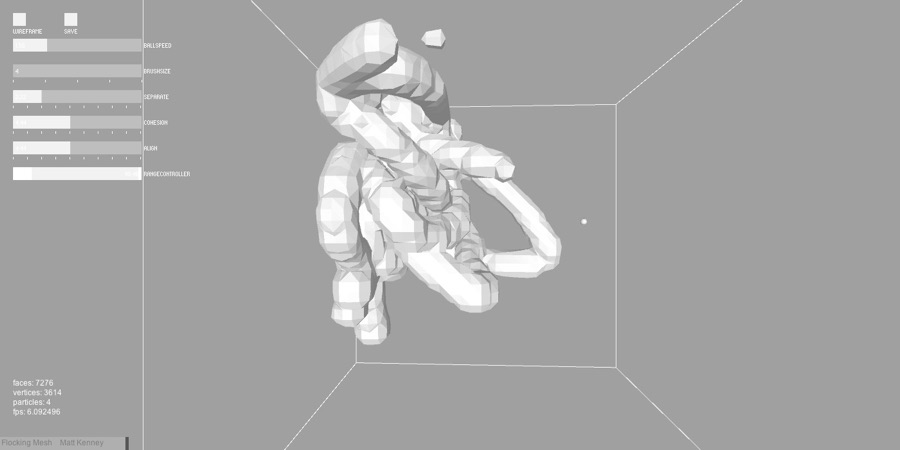
Sculpting with a flock
Particles leave geometry in their wake. An experimental CAD tool turns movement into forms you can fabricate.
Inside the projectCan an agent improve a published result?
DeltaML-Bench puts autonomous experimentation inside 48 tasks drawn from real research repositories.
Read the storyThe Two-Minute Task
Small tasks accumulate into real work. Follow the repetitions, interruptions, and queues to understand what they cost.
Read the story
Listening to 400,000 years of ice
With Mark Ballora and the Penn State Polar Center, Antarctic data becomes a composition for six synthesized voices.
Inside the projectA hundred days online, scored for radio
Five instruments turn a radio host’s web activity into a musical portrait for To the Best of Our Knowledge.
Inside the projectThe Work Before the Build
A project gets easier to build when its owner, interfaces, test cases, and operating assumptions are already on the table.
Read the story